Technical Barriers
If important URLs are blocked, slow to render, or lost in a crawl trap, more writing will not help. Access comes before ambition.

About the consultancy
SEOConsultants.ai is a senior team of SEO and AI search consultants. We find what is really holding your growth back, then build and run the plan that fixes it.
Who we are
SEOConsultants.ai is a consultancy for organic search and AI search visibility. Buyers come to us when search is already part of growth, but the next move is unclear. The site may have traffic. It may have pages. It may even have a backlog. What it often lacks is an honest account of what is actually holding growth back.
We are not a marketplace. We are not a listing of top firms. We are not a shop that sells a guaranteed first page. The public facts of the firm are the name, this website, the published contact mailbox, and the operating model on this page. The site tagline talks about a global consultancy. That is positioning language. It is not a count of offices, countries, or staffed markets. Location pages on this website describe how geography changes search. They are not a branch list.
The published mailbox is a contact address. It is not a headquarters story, a parent brand, or a country-of-origin claim. If a procurement process needs a named person, ask on a call. We will share what is relevant for that engagement.
The work itself sits across the places search actually breaks. Organic search. Technical SEO. SEO strategy. Content and search intent. Ecommerce search. International search. Local search. AI search. Generative search. LLM visibility. Entity optimization. Those are not a menu to order from the top. They are the kinds of constraints a real site can have. The consultancy exists to find the constraint that matters before anyone recommends more activity.
That is the practical problem. Businesses often treat a traffic problem as a content problem, or a content problem as an AI problem. Sometimes the real issue is technical access. Sometimes it is weak information architecture. Sometimes pages miss the buyer's question. Sometimes entities are unclear. Sometimes conversion paths waste the visits that already arrive. More SEO is not automatically the answer. Better diagnosis is.
What we solve
Search problems wear the same clothes. Leadership sees fewer enquiries, weaker rankings, or a competitor that seems to appear everywhere. The useful question is not how to do more. It is what is actually broken.
If important URLs are blocked, slow to render, or lost in a crawl trap, more writing will not help. Access comes before ambition.
A research article cannot close a commercial query. A category page cannot answer a comparison the buyer is already making. Intent mismatch looks like a ranking problem. It is often a page-job problem.
The business sells a thing. The site hides it behind slogans, overlapping URLs, or a blog that never names the offer. Discovery fails before persuasion starts.
Word count is not usefulness. If the page never states who the service is for, what it includes, and what happens next, the visitor leaves with the same uncertainty they arrived with.
Cannibalization is not a trivia finding. It is two URLs splitting the same demand so neither can become the obvious choice.
Language, country, host, and currency can disagree. The searcher lands on the wrong version. The business thinks it has a global program. It has a confusing one.
Categories, filters, products, and variants can create thousands of URLs and very little useful choice. The catalog needs a search architecture, not another homepage banner.
Names, products, places, and people change from page to page. Humans notice. Search systems and language models notice too. Clarity is not decoration.
Traffic can rise while the wrong people arrive, or the right people cannot act. Search work that ignores conversion paths is only half a job.
A brand can rank in traditional results and still be weakly represented when answers are generated. That is a real gap.
We do not claim to know unpublished ranking functions. We do not pretend a language model has a public rank we can operate. We look at what the site, the queries, and the available data actually show. Then we name the constraint in language a decision-maker can use.
How we operate
The philosophy is simple on purpose. Find the real constraint. Put the valuable work first. Ship in a way the team can sustain. Report what changed. The full consulting loop lives on our methodology page. This section is the stance, not that loop.
Understand the website, the business, the audience, search demand, the technical environment, the content, competitors, and current visibility. Diagnosis is not a 90-page dump. It is a clear account of what is limiting growth and what evidence supports that account.
See methodology →Separate important issues from noise. A crawl can produce hundreds of warnings. Most of them will not move qualified demand. Priority is impact, feasibility, dependency, and the capacity sitting in the room. If a recommendation cannot be acted on, it is not a recommendation yet.
See approach →Work with the client's existing team, or provide hands-on implementation support where the scope agrees. Implementation is tickets, templates, copy, internal links, and technical fixes. It is not a second strategy workshop that postpones the first change.
Discuss implementation →Track what changed, what improved, what did not, and what should happen next. Measurement includes classic search metrics and, where relevant, observation of AI-search representation. If the data cannot support a claim, the claim stays out of the report.
See measurement →What clients get
Clients do not buy a slogan. They buy a clearer picture of the problem, a plan the team can run, and support that matches the scope. The exact mix depends on the engagement. The standard does not.
None of this is a ranking outcome. Rankings can move. They can also stay still while a better page, a cleaner path, or a clearer entity still improves the business. We will say what the data shows. We will not dress a hope as a forecast.
From visibility to value
Traffic is a leading indicator. It is not the finish line. A page can attract thousands of visits that never match the offer. Another page can attract fewer visitors who already want the thing you sell. The second page is often the better business asset.
Visibility means the site is eligible to be seen for demand that exists. Qualified traffic means the people who arrive have a reason to care. Commercial engagement means they use the page the way a buyer would: reading the offer, comparing, and looking for a next step. Enquiries are the ask. Qualified leads are the asks sales would actually take. Revenue is why any of this is funded.
SEO strategy should connect search demand to that chain. If a query cannot reasonably produce a qualified conversation, it may still deserve a helpful article. It should not steal the sprint from a money URL that is almost ready to compete. If engagement is weak on a page that already ranks, the next job may be the page itself, the offer, or the form, not another backlink campaign.
This is also why AI-search work has to stay commercial. Being mentioned in a generated answer is interesting. Being mentioned inaccurately can create support load. Being mentioned in a way that never produces a visit or a branded search may still have value, but it has to be argued, not assumed. We will not treat every new surface as automatically closer to revenue.
Who we work with
We do not publish client counts, logos, or a trophy wall. Fit is about the job, not a fabricated roster. Company size is less important than the complexity and importance of search to the business.
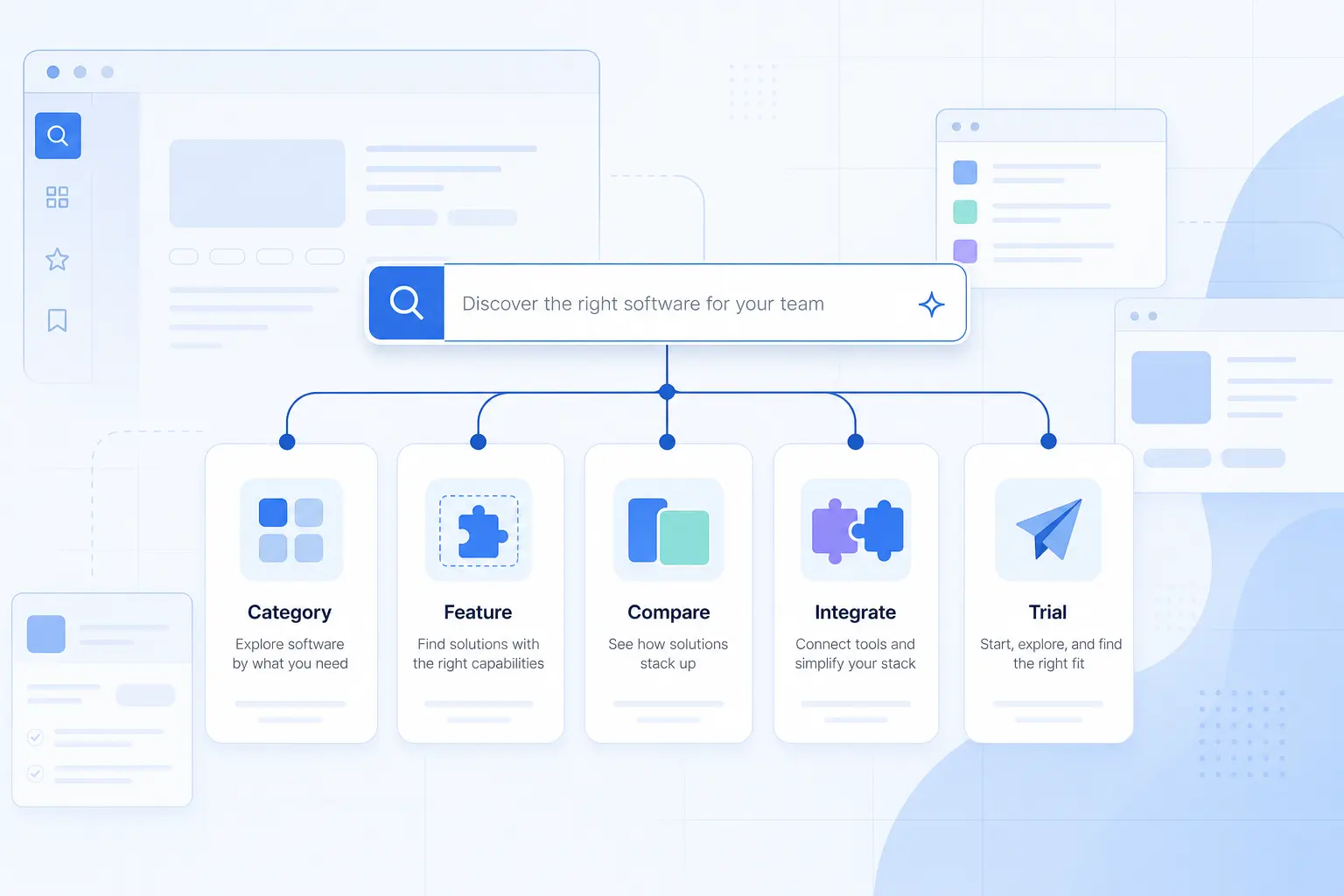
Product pages, comparison intent, and a story that has to stay true as the product changes.

Categories, products, and filters that must help a shopper choose, not create a crawl maze.
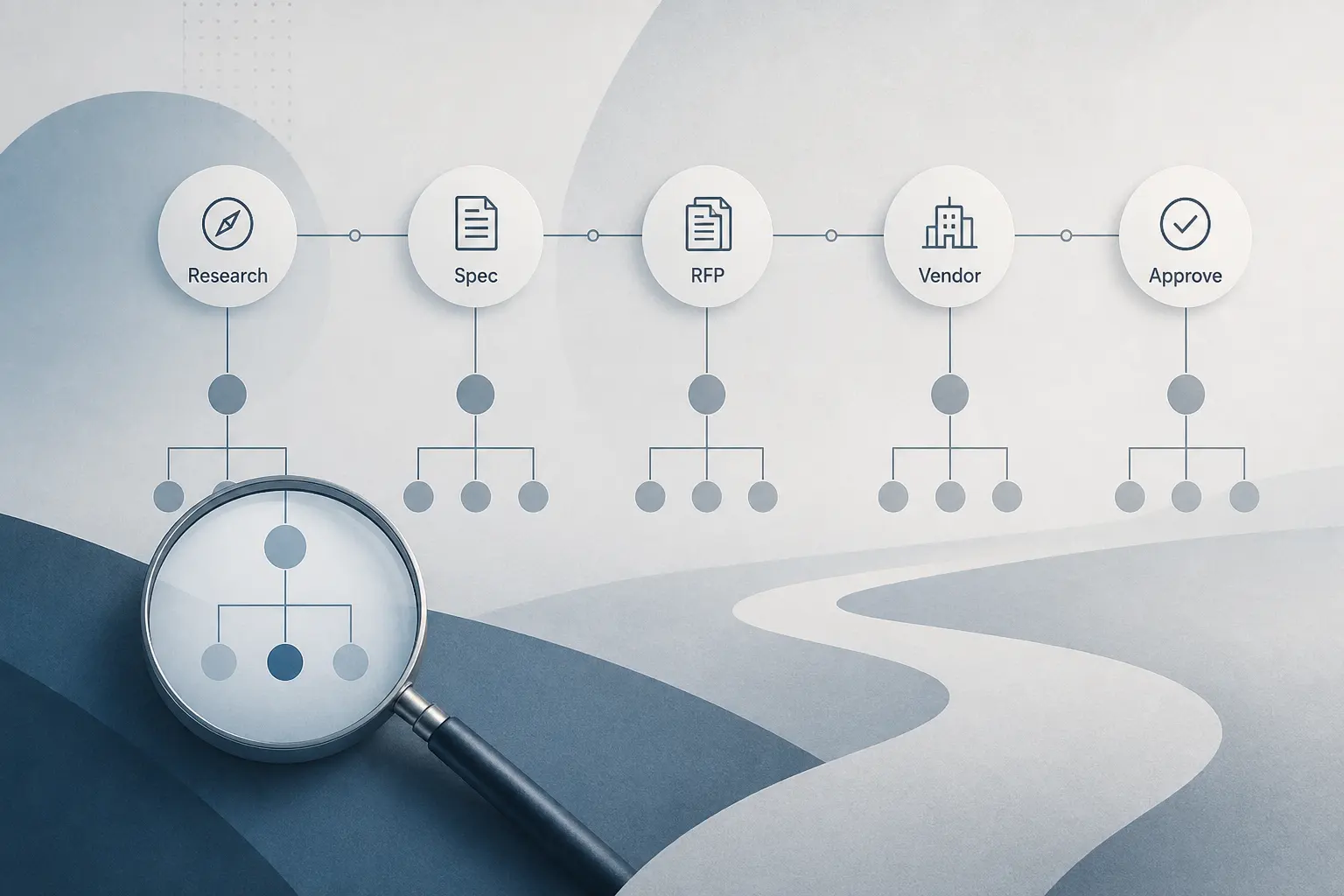
Longer research cycles, multiple stakeholders, and pages that have to support a sales conversation.
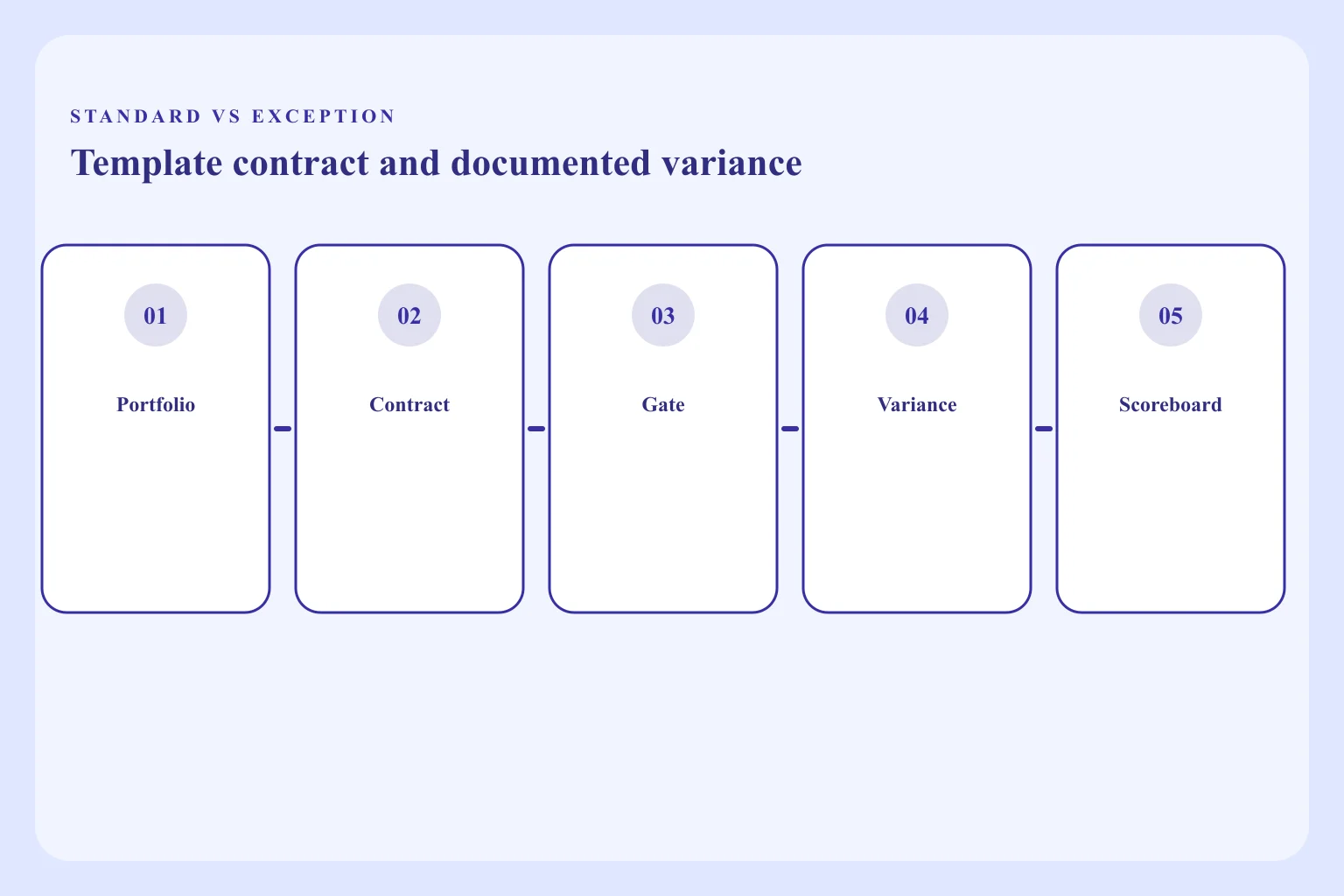
Many templates, many teams, and governance that search work cannot ignore.
Expertise that has to be findable without turning every page into a brochure.
Technical offers that buyers still need explained in human language.
Place, service, and profile facts that have to agree with the website.
Language, country, and host choices that have to be explicit, not implied.
A launch that needs search demand mapped before the content factory starts.
A need to see how the brand is represented, without abandoning classic SEO.
How search has changed
The goal is not simply to appear somewhere. The goal is to become easier to discover, understand, trust, and choose.
Search used to mean a list of blue links. That list still matters. A large share of commercial research still starts there. Technical accessibility still matters. Useful content still matters. Search intent still matters.
The surface around those links has widened. Search engines now mix classic results with AI Overviews and other AI search interfaces. People also ask questions in generative search tools and conversational products. Language models draft answers from public information, training data, and whatever they can retrieve. A buyer can meet your brand in a result, in a summary, or in a generated explanation.
That is a change in discovery. It is not a change in the commercial job. A business still needs the right person to find a clear offer, believe it is relevant, and take a next step. Appearing in more places is only useful if those places represent you accurately and send qualified demand.
This is why SEO and AI search should not be treated as separate marketing worlds. Traditional SEO still decides whether a page can be fetched, understood, and chosen in classic results. Entities and relationships still decide whether a brand is a distinct thing with a coherent story. Authority and relevance still decide whether you deserve to be considered. AI search adds another layer of how that information can be discovered and represented.
The temptation is to chase the newest label. Generative engine optimization. Answer engine optimization. AI Mode. Each term can describe a real surface. None of them replace crawlable pages, honest offers, and measurement. If the underlying document is weak, a new interface will not rescue it.
We will not promise AI citations, AI Overviews, ChatGPT mentions, or AI Mode placement. Those outcomes sit inside systems we do not control. What we can do is improve the clarity, consistency, and eligibility of the information a business already publishes. That helps classic search.
How we think about SEO
A keyword list is a demand map. It is not a strategy. Ranking for a phrase that cannot produce a qualified enquiry is a trophy, not a growth plan.
Common default
Start with volume. Write pages for every variant. Treat position as the score. Add AI terminology when the brief gets nervous. The site gets larger. The business still cannot say which search demand is worth the next sprint.
How we work
Start with the outcome the company actually needs. Map demand against that outcome. Keep the queries that can become customers. Drop the ones that only inflate traffic. Then look at technical constraints, content capability, and the team that has to ship the work.
Business-first SEO asks dull questions that save money. What does the company sell. Who already pays. Which search intent sits closest to that sale. What visibility already exists. Where competition makes a win unlikely this quarter. What the CMS, the engineers, and the editors can actually change.
Commercial value matters more than raw search volume. A smaller set of high-intent queries can outperform a large set of informational queries that never reach a conversation. That is not an argument against useful content. It is an argument against pretending every visit is equal.
Existing visibility is part of the brief, not an insult to the current team. If impressions are high and clicks are weak, the page may have a title and intent problem. If the page is barely seen, depth and access may be the issue. The data decides. The keyword spreadsheet does not.
Internal resources decide the shape of the plan. A five-person marketing team cannot run an enterprise publishing machine. An engineering freeze cannot absorb a template rewrite this month. Honest constraints belong in the strategy. A slide that ignores them is not a strategy.
Conversion paths belong in the same conversation. Search can bring a qualified visitor to a page that cannot collect a useful enquiry. When that happens, the SEO report looks fine and sales still starve. Connecting search demand to the right business outcome is the point of the work.
SEO and AI search
People now use several names for adjacent work. SEO. AI SEO. AIO. Generative search. LLM visibility. Entity optimization. Semantic search. Search intent. Brand mentions. Knowledge representation. The labels overlap. The buyer's confusion is understandable. The consultancy's job is to keep them attached to a real problem.
SEO is still the work of helping a site become eligible to be found, understood, and chosen in search. That includes technical access, intent-matched pages, internal structure, and measurement. AI SEO, on this site, is the operating question of how classic results and AI search interfaces should be planned as one backlog rather than two rival programs.
LLM visibility is a narrower question. How do language models describe the brand. Do they mix you with a competitor. That is representation and eligibility. It is not a ChatGPT rank. Generative search and AI Overviews are surfaces where an answer may be assembled before a click. Entity optimization is the unglamorous work of making names, offers, and relationships consistent enough that a system can tell you apart from everyone else.
Semantic relevance is not a trick. It is whether the page actually talks about the thing the query is about, in language a human would use. Search intent is still the test of whether the page does the job the searcher brought. Brand mentions can matter when they are real, earned, and consistent. They do not matter as a purchased theater of fake authority.
AI-search optimization is not about manipulating a language model. It is about improving the clarity, relevance, accessibility, and consistency of information that can help systems understand a business and its content. If the public pages disagree, a model has no clean source. If the important facts live in a PDF nobody can fetch, classic search and generative search both starve.
We use these terms when they name a job. We do not sprinkle them on a page to look current. A full map of AI SEO lives on that hub. A full map of LLM work lives on LLM SEO. This About page only states the relationship: one commercial goal, more than one discovery surface, and no unverifiable promises.
Continue on AI search optimization or LLM SEO when you need those maps.
Why the approach is different
Confidence is not volume. We would rather be easy to understand and hard to spin.
Rankings depend on search systems, competitors, and conditions nobody in a consultancy controls. We can improve eligibility and execution. We cannot sell a position. A guarantee is a marketing device, not a professional standard.
We publish engagement patterns that show how we diagnose, decide, and ship. If a number cannot be supported, it does not appear.
Recommendations should be understandable and actionable. A client should be able to repeat the diagnosis in a meeting without translating it. Jargon is allowed when it names a real object. It is not allowed as fog.
A list of every possible SEO task is not a plan. We prioritize by impact, feasibility, and business value. Work that cannot be staffed this quarter stays named, not pretended.
Pages exist to do a job. We will not recommend a publishing mill to inflate URL count. If two URLs already compete, the answer may be to merge or clarify, not to add a third.
AI-search concepts belong where they solve a visibility problem. They do not belong in every heading because the category is fashionable. If classic SEO is the constraint, we will say so.
Working with your team
Search work fails when it becomes a side project the internal team cannot see. It also fails when a consultancy pretends it can replace the people who own the product, the CMS, and the brand voice. Both models below can be the right buy. The scope should say which one you are getting.
We identify the problem, build the plan, prioritize the work, and help the internal team execute. This fits teams that already have engineers, editors, or marketers who can ship. The consultancy owns diagnosis, sequence, and quality of the next decision. The client team owns the merge, the publish, and the product truth.
Where the scope requires it, implementation can be supported directly. That can mean tickets, template guidance, content direction, internal linking, and technical changes worked inside the client's process. It does not mean a shadow CMS with no owner. Someone on the client side still has to approve what the site will say.
Resources decide the model more than preference. A team with no engineering time cannot absorb a rendering rewrite this month. A team with strong editors may only need a brief and a review. We would rather name that on day one than discover it after a kickoff deck.
What we need from you
A consultancy can diagnose a website from the outside. Engagements work better when the client treats search as a shared process, not a black box to be dropped over the fence.
What you sell, who already buys, what you will not sell, and which markets actually matter this year.
Search Console, analytics, and the ability to see how enquiries currently arrive. If access is blocked, the first finding is the access.
The words your best people already use with customers. Search copy that ignores those words usually fails.
Someone who can change templates, robots rules, or rendering when that is the constraint.
Someone who can write, review, and keep pages true after they go live.
Release freezes, legal review, brand rules, and budget limits. Hidden constraints create fake plans.
Sales hears objections the crawl cannot see. That knowledge belongs in the brief.
A named person who can say yes to a URL change. Work stalls when every sentence needs a committee.
What you can expect
You should understand what is limiting growth, in language you can repeat without a glossary.
You should know what to do first, what can wait, and what is noise.
We report what the data supports. Observation stays labeled as observation.
Recommendations should be understandable without unnecessary jargon. If a term is required, we will define it once.
The work should fit the team's actual capacity. A plan that assumes a department you do not have is not a plan.
Every engagement should make the next decision easier: what to change, what to measure, and whether to continue.
Honest fit
A consultancy that claims to be right for every brief is selling. Fit goes both ways. If you want sustainable, evidence-led search work, we may be a good fit. If you need something we will not do, it is better to say so early.
There is nothing wrong with wanting speed. There is something wrong with buying a promise no consultancy can keep. If the need is a packaged rank, a citation slot, or a content mill, another vendor will sound more exciting. If the need is diagnosis, priority, and work the team can stand behind, stay and talk.
After you reach out
Send the live site and what you are trying to improve. A constraint is more useful than a slogan.
Enough to name the first useful question. Not a fake full audit before anyone has agreed a scope.
A conversation, an SEO + AI visibility audit, or a different page on this site if that is the better door. We will also say if we are the wrong fit.
Continue on the site
This page is identity, trust, and fit. The rest of the site holds the depth. Use the links when you want that next layer.
How we choose what to do first without a generic checklist.
The repeating engagement loop once the work has been chosen.
Capability types we staff, and how named introductions work for an RFP.
The map of organic search work. Open it when you need a service door, not a firm story.
One operating plan across classic results and AI search interfaces.
How language models discover, describe, and possibly mention the brand.
How we diagnose, decide, and ship.
Start a conversation with a consultant. Bring the site and the constraint.
FAQ
SEOConsultants.ai is a search consultancy. We help businesses improve organic search visibility, understand how the brand appears in AI-driven search experiences, and connect search work to qualified demand. We diagnose the real constraint, put the work in a useful order, and support implementation and measurement.
A consultancy. The difference that matters to a buyer is the job. We start with diagnosis and decision-making, then implementation where it is agreed. We are not a marketplace of freelancers, not a directory of firms, and not a shop that sells a guaranteed first-page package.
An SEO consultant helps a business decide what is actually limiting search growth, what is worth doing first, and how that work should be measured. That can include technical access, search intent, content, information architecture, ecommerce or international structure, entity clarity, conversion paths, and AI-search visibility. Delivery still happens. The consultant's first job is to make the decision honest.
Yes. Traditional SEO and AI search sit in one commercial problem: can the right buyer discover, understand, and choose you. Classic results still matter. AI Overviews, generative search, and LLM-generated answers add another way information is found and represented. We do not treat them as disconnected marketing worlds, and we do not sell guaranteed citations.
No. Rankings, AI Overviews, ChatGPT mentions, and AI Mode placement depend on search systems we do not operate and on competitive conditions we do not control. We improve eligibility, clarity, and execution. We report what the evidence supports. We do not promise ranking dates or guaranteed citations.
Businesses where search already matters, or is about to matter more. That includes SaaS, ecommerce, B2B, professional services, technology, local, international, and enterprise teams. Company size is less important than complexity: if search needs diagnosis, priority, and a plan the team can actually run, a consultancy fit is more likely.
Yes. Many engagements are strategy and enablement: we diagnose, prioritize, and help the internal team execute. Others include hands-on implementation where the scope needs it. Both models are valid. The brief should say which one you are buying.
Yes, when the engagement includes it. Some clients need a clear plan and coaching for their engineers, editors, and marketers. Others need tickets written and work supported inside their process. Capacity is part of the brief.
Against the commercial chain, not against a vanity rank. We look at visibility, qualified organic traffic, on-site engagement, enquiries, and qualified leads where the data exists. AI-search observation is reported as observation when that is all the evidence allows. If a number cannot be defended, it does not belong in the report.
Send the live site and what you are trying to improve. Use contact for a conversation with a consultant, or request an SEO + AI visibility audit if you want a structured starting snapshot. We will look at the current situation, name the most useful first question, and say if we are the right fit.
Next step
Tell us what you are trying to improve. We will look at the current situation, identify the most important opportunities, and help you decide where the work should start.
What you can expect next
No ranking promises. No artificial urgency. Just a clear starting point.